

Grade D Breathing Air Explained
By on Oct 7th 2026
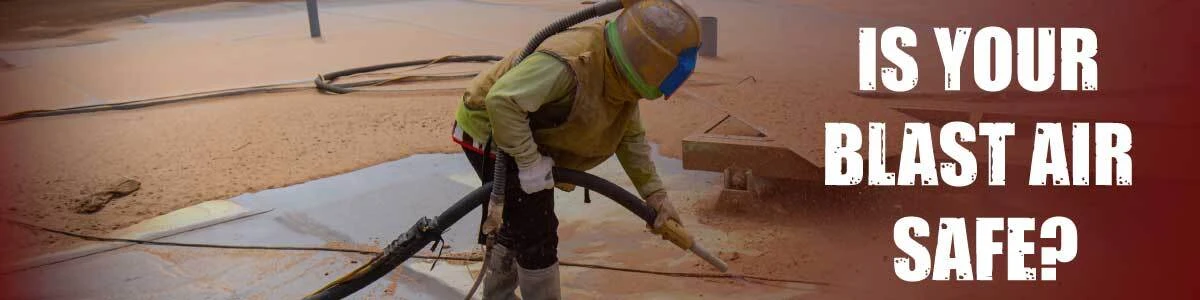
Grade D breathing air is a classification defined by the Compressed Gas Association (CGA), specifically in their standard CGA G-7.1, "Commodity Specification for Air." It's the minimum quality standard required for supplied-air breathing systems used in occupational settings — things like abrasive blasting hoods, supplied-air respirators (SARs), and airline respirators.
✓ Key requirements for Grade D air include:
- Oxygen content: 19.5% to 23.5% Standard Range
- Hydrocarbons (condensed): 5 mg/m³ of air or less Max Limit
- Carbon monoxide (CO): 10 ppm or less Critical Safe Limit
- Carbon dioxide (CO₂): 1,000 ppm or less Max Limit
- No noticeable odor Purity Check
Ensure Your Air Meets Grade D Standards
Protect your workforce with OSHA-compliant filtration systems and continuous carbon monoxide monitoring.
Shop Grade D Air Filtration SystemsWhere it applies:
OSHA references Grade D air in regulations like 29 CFR 1910.134 (Respiratory Protection) as the minimum acceptable quality for supplied-air respirators. It's commonly required in industries like:
Why it matters:
Compressor-supplied air isn't automatically safe to breathe — without proper filtration, it can carry contaminants like carbon monoxide (from compressor engine exhaust), oil mist, or moisture. Meeting Grade D standards ensures the air is filtered and monitored well enough for prolonged human breathing, and systems often include CO monitors or alarms as a safeguard.
Ensure Your Site Meets OSHA Grade D Standards
Protect your crew with compliant breathing air equipment. Browse our line of carbon monoxide monitors, and supplied-air respirators, or use our interactive setup tool to configure your exact blasting system.
Need technical assistance with your setup? Call our specialists toll-free at 1-855-358-2850 or contact us online.